
A.02 Contemporary Research Informed Practices: Nzinga B. Mboup
- Sep 4, 2025
- 2 min read
Updated: Sep 30, 2025
Architect: Nzinga B. Mboup
Practice: Worofila
Region: Senegal, West Africa
Video Lecture Name: Nzinga Mboup "Crafting In-Situ Knowledge"
About the Practice
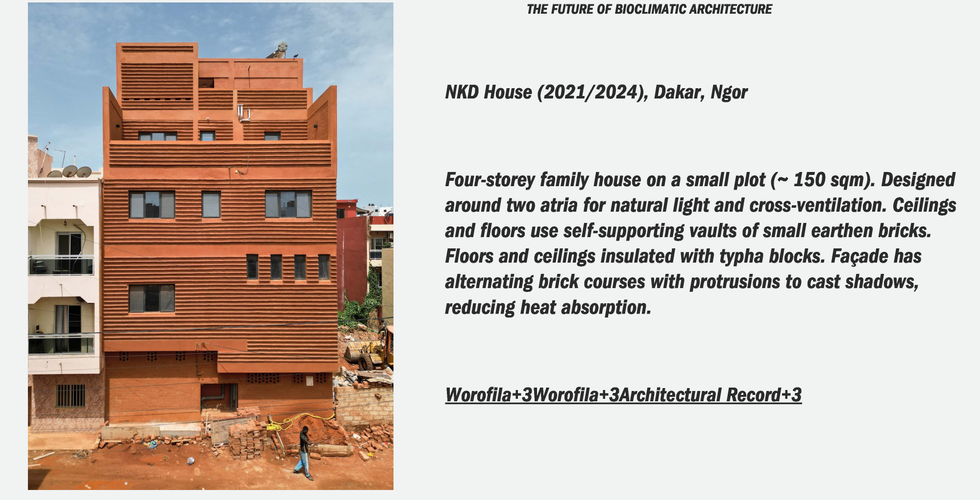
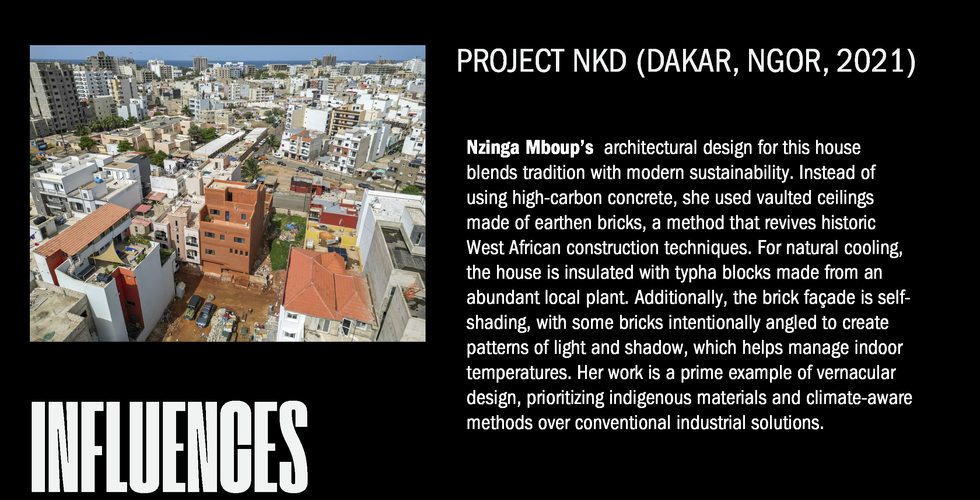
Collectif Worofila is a Dakar-based design studio founded in 2019 by Nzinga B. Mboup and Nicolas Rondet. The name comes from the street where their first office was located, reflecting their dedication to context and community. The practice specializes in bio-climatic architecture, emphasizing natural and locally sourced materials such as raw earth and typha. Their work merges environmental pragmatism with cultural continuity, aiming to reduce carbon footprints while adapting traditional building techniques for contemporary use.
Worofila’s philosophy is that architecture should embody comfort, durability, and beauty while prioritizing sustainability for both people and the planet.
Principals
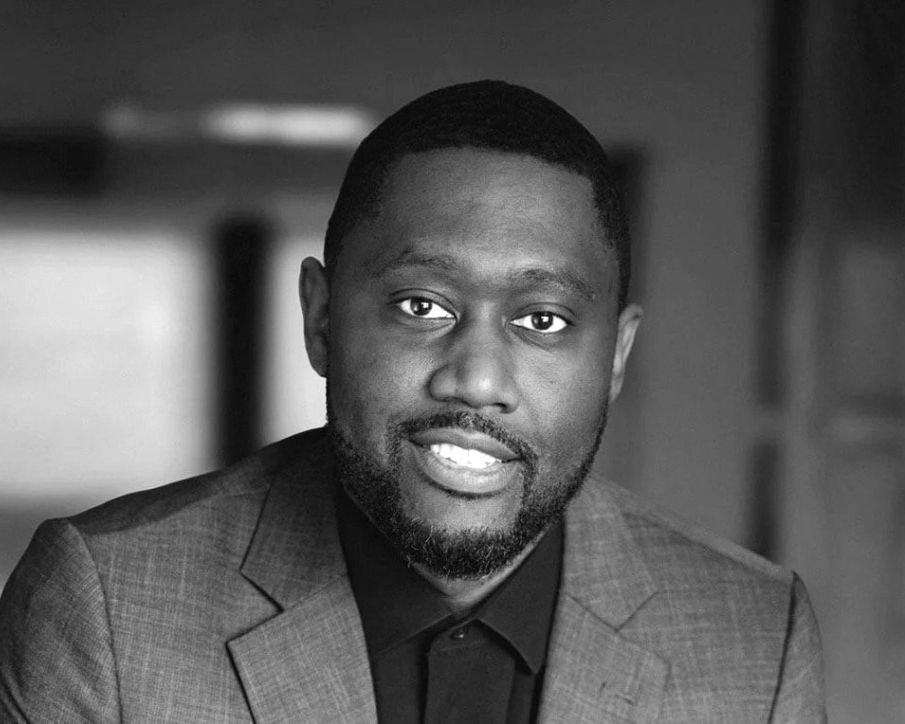
Nzinga B. Mboup — Principal Nzinga is a Senegalese architect and co-founder of Worofila. After studying in Pretoria and London and working with Adjaye Associates on projects such as the IFC headquarters in Dakar, she returned home to focus on sustainable, locally rooted design. At Worofila, she leads projects like the Sendou Home, Ngor House, and the Goethe-Institut with Kéré Architecture, while also contributing research on Dakar’s urban history and future.
Nicolas Rondet — Principal Nicolas is a French architect and co-founder of Worofila. Trained in Versailles and first practicing in Paris, he moved to Senegal in 2017 to pursue architecture with natural and local materials. His work includes the Ecopavilion in Diamniadio, using adobe and compressed earth blocks, and the design of 16 TER train stations in Dakar. He brings expertise in bio- and geo-sourced construction methods to all Worofila projects.

Team Research Strategies
My team will employ a range of research strategies to gather information on the firm and the architect Nzinga Mboup. These strategies include reviewing the architect’s lecture videos, consulting reputable online articles, exploring the firm’s official website, referencing architectural design platforms such as ArchDaily and Dezeen, and utilizing AI engines such as ChatGPT. The research will focus on key aspects including the firm’s values, areas of specialization, major projects, service regions, and overall design philosophy, among other relevant details.










Comments